Skip to content
  • facebook.com
  • twitter.com
  • t.me
  • instagram.com
  • youtube.com
Structural Engineering

Engineering Strength. Building Structures That Endure.

Subscribe
  • Home
  • About
  • Blog
  • Contact
  • Online Tools
  • Structural Engineering App
  • Home
  • Structural Assessment
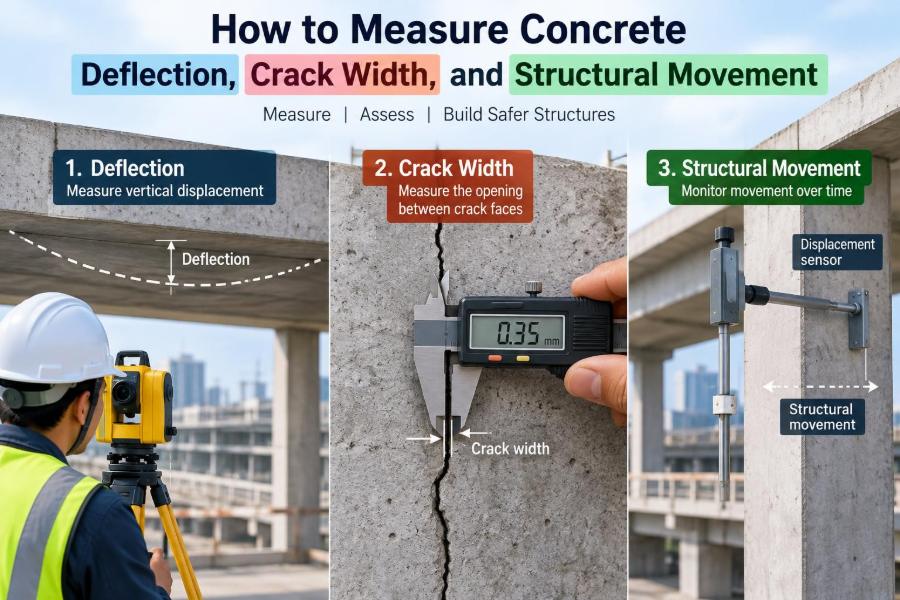
πŸ—οΈ How to Measure Concrete Deflection, Crack Width, and Structural Movement
Posted inFeatured

πŸ—οΈ How to Measure Concrete Deflection, Crack Width, and Structural Movement

Posted by admin November 14, 2026
Learn how to measure deflection, crack width, settlement, and joint movement with reliable referencesβ€”not guesswork. Build a monitoring record that tells a real story. πŸ”ŽπŸ“ŠπŸ’
Read More
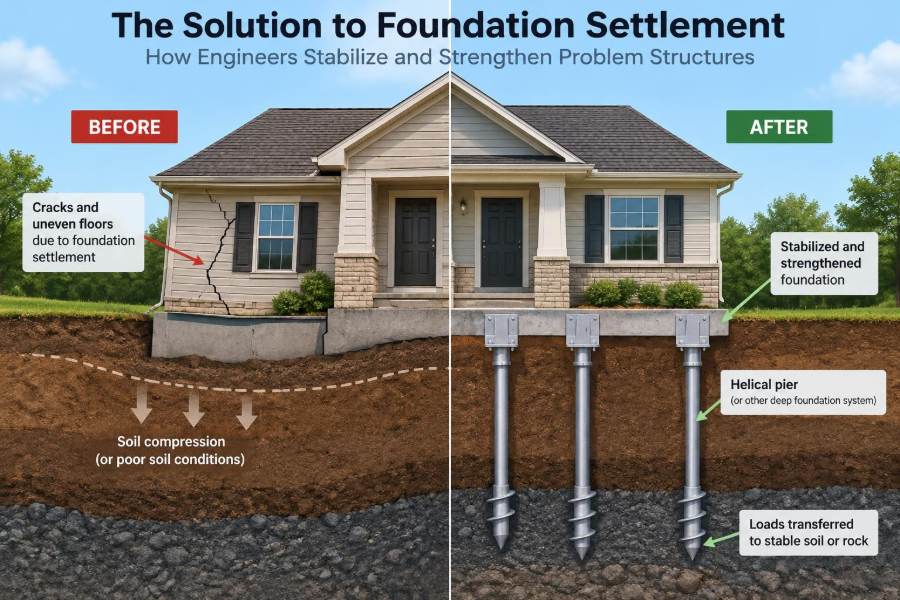
πŸ—οΈ The Solution to Foundation Settlement: How Engineers Stabilize and Strengthen Problem Structures
Posted inFeatured

πŸ—οΈ The Solution to Foundation Settlement: How Engineers Stabilize and Strengthen Problem Structures

Posted by admin November 12, 2026
From growing wall cracks to sinking slabs, learn how engineers diagnose soil movement, manage water, and select underpinning systems that restore support. πŸͺ¨πŸ’§πŸ”©
Read More
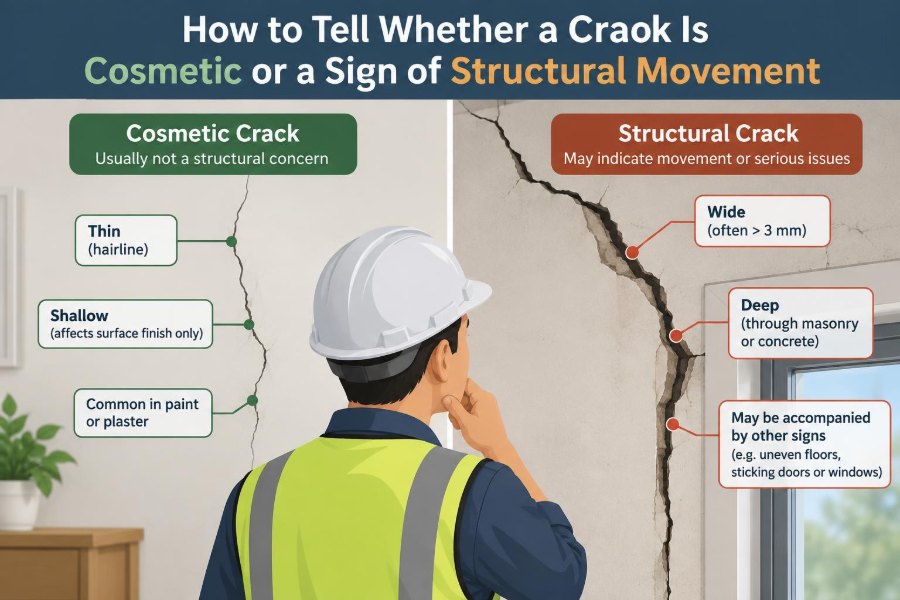
πŸ—οΈ How to Tell Whether a Crack Is Cosmetic or a Sign of Structural Movement
Posted inFeatured

πŸ—οΈ How to Tell Whether a Crack Is Cosmetic or a Sign of Structural Movement

Posted by admin November 4, 2026
A crack’s width tells only part of the story. Learn the patterns, warning signs, and simple monitoring steps that help separate finish defects from structural movement. πŸ§±πŸ“πŸ 
Read More
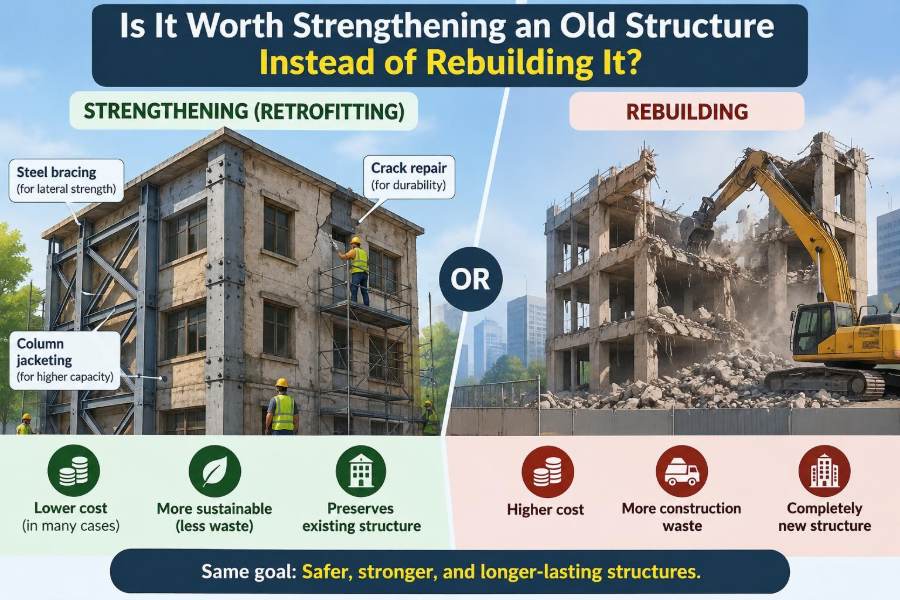
πŸ—οΈ Is It Worth Strengthening an Old Structure Instead of Rebuilding It?
Posted inFeatured

πŸ—οΈ Is It Worth Strengthening an Old Structure Instead of Rebuilding It?

Posted by admin October 30, 2026
A visible crack is only part of the story. Learn how engineers compare strengthening and rebuilding through load paths, foundations, costs, carbon, and risk. πŸ”ŽπŸ§±πŸŒ±
Read More
πŸ—οΈ After Construction Ends: How Engineers Monitor a Structure for Long-Term Performance
Posted inFeatured

πŸ—οΈ After Construction Ends: How Engineers Monitor a Structure for Long-Term Performance

Posted by admin October 30, 2026
A building or bridge is not β€œfinished” at handover. Learn how engineers use inspections, sensors, and maintenance records to spot meaningful change early. πŸ“ŠπŸ”πŸ—οΈ
Read More
πŸ—οΈ A Smarter Way to Strengthen Existing Structures Without Complete Reconstruction
Posted inFeatured

πŸ—οΈ A Smarter Way to Strengthen Existing Structures Without Complete Reconstruction

Posted by admin October 27, 2026
From FRP wraps and concrete jackets to seismic braces, learn how engineers diagnose weaknesses, protect load paths, and upgrade buildings safely. πŸ”©πŸ§±πŸ“
Read More
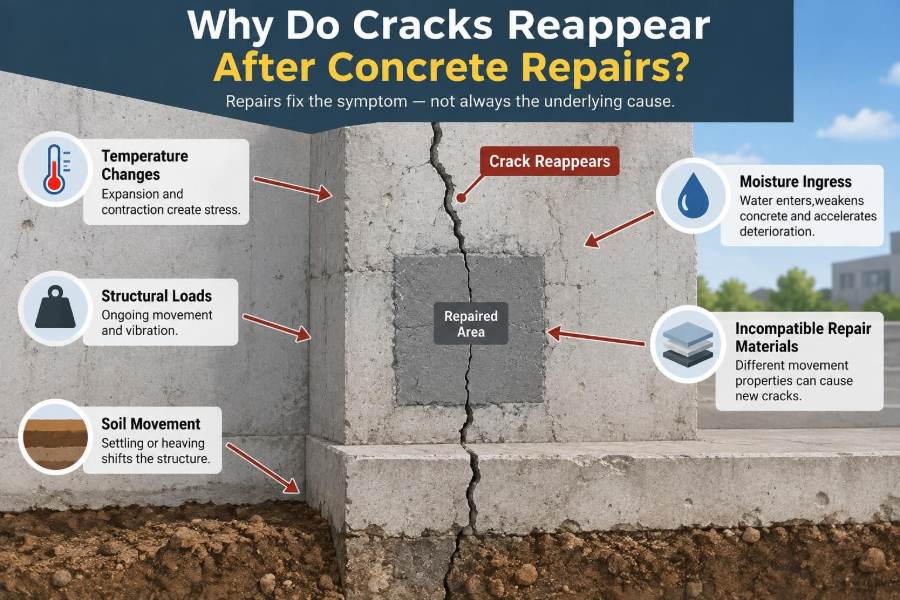
πŸ—οΈ Why This Problem Happens: What Causes Cracks to Reappear After Concrete Repairs?
Posted inFeatured

πŸ—οΈ Why This Problem Happens: What Causes Cracks to Reappear After Concrete Repairs?

Posted by admin October 2, 2026
A patch can look perfect and still crack again. Learn the real driversβ€”from movement and shrinkage to water and corrosionβ€”and how to diagnose them before repairing. πŸ§±πŸ’§βš™οΈ
Read More
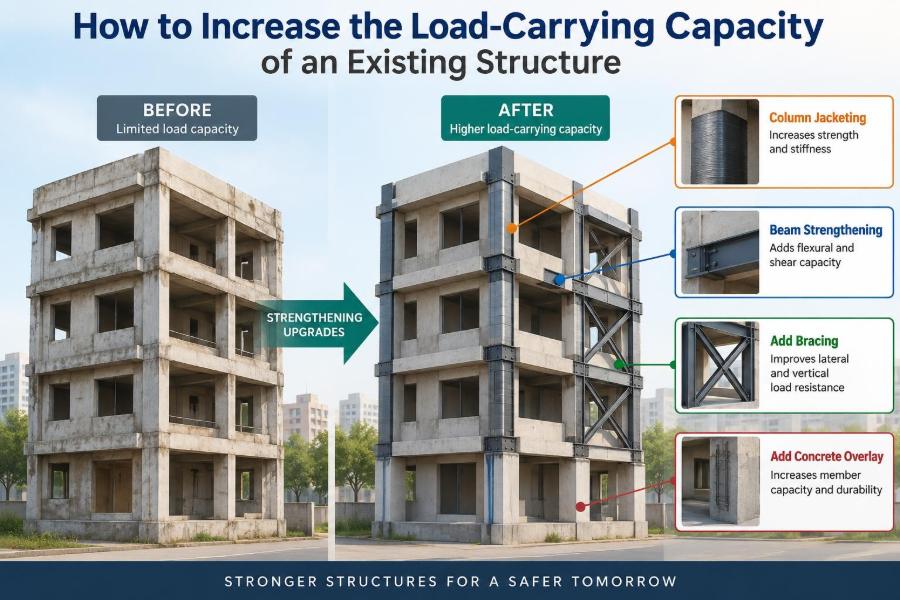
πŸ—οΈ How to Increase the Load-Carrying Capacity of an Existing Structure
Posted inFeatured

πŸ—οΈ How to Increase the Load-Carrying Capacity of an Existing Structure

Posted by admin October 2, 2026
Before adding racks, rooftop equipment, or a new use, trace the full load path. Learn how engineers assess floors, beams, columns, and foundations before strengthening. πŸ“πŸ”©πŸ—οΈ
Read More
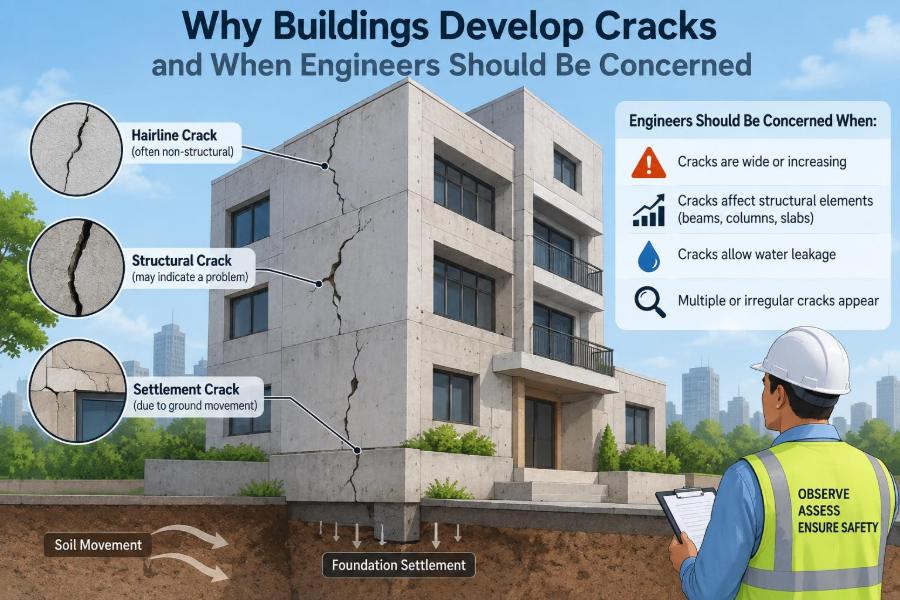
🏒 Why Buildings Develop Cracks and When Engineers Should Be Concerned
Posted inFeatured

🏒 Why Buildings Develop Cracks and When Engineers Should Be Concerned

Posted by admin September 20, 2026
Not every crack means dangerβ€”but pattern, movement, and location matter. Learn which warning signs need an engineer and why quick patching can fail. πŸ§±πŸ“πŸš¨
Read More
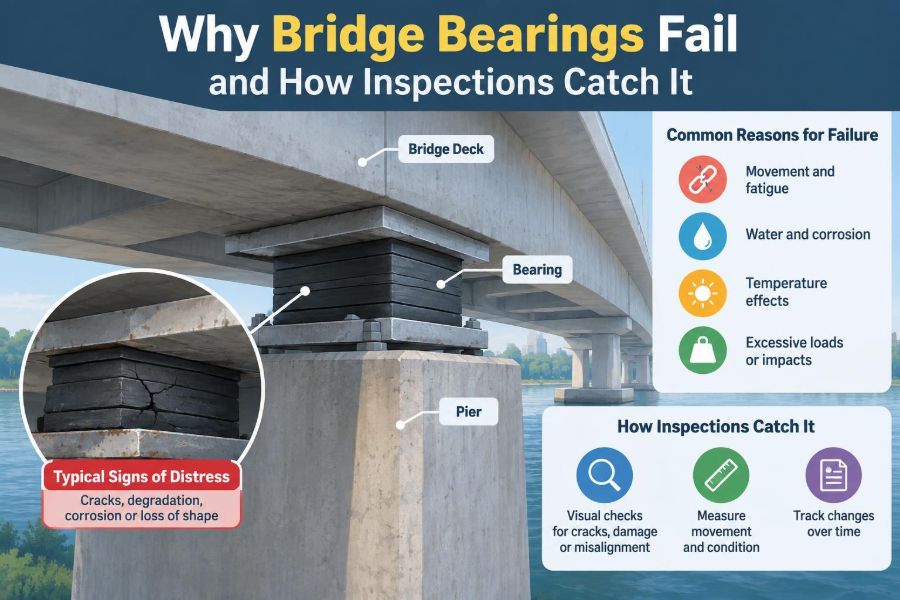
πŸŒ‰ Why Bridge Bearings Fail and How Inspections Catch It
Posted inFeatured

πŸŒ‰ Why Bridge Bearings Fail and How Inspections Catch It

Posted by admin September 17, 2026
A small bridge bearing controls major loads and movement. Learn the warning signs inspectors trackβ€”from corrosion and debris to tilt, blocked travel, and cracked pedestals. πŸ”πŸ› οΈπŸŒ‰
Read More

Recent Posts

  • πŸ—οΈ Why Is Structural Redundancy So Important in Buildings and Bridges?
  • πŸ—οΈ How Long Can a Building Structure Last with Proper Inspection and Maintenance?
  • πŸ—οΈ Dealing With Corrosion in Reinforced Concrete: How Engineers Protect Aging Structures
  • πŸ—οΈ How to Measure Concrete Deflection, Crack Width, and Structural Movement
  • πŸ—οΈ Understanding Torsion and Why Twisting Forces Matter in Beams and Structures

Recent Comments

No comments to show.

Archives

  • November 2026
  • October 2026
  • September 2026
  • August 2026
  • March 2025
  • February 2025
  • November 2021
  • October 2021
  • July 2021

Categories

  • Advanced Concepts
  • Advanced Design of Stee Structures
  • Bridge Construction
  • Computational Structural Mechanics
  • Design of Tall Structures
  • Earthquake Resistant Structures
  • Featured
  • Finite Element Method of Analysis
  • General Concepts
  • Reliability Analysis of Structures
  • Repair and Rehabilitation of Structures
  • Special Concrete
  • Structural Stability
  • Uncategorized
Copyright 2026 — Structural Engineering. All rights reserved. Bloghash WordPress Theme
Scroll to Top