Skip to content
  • facebook.com
  • twitter.com
  • t.me
  • instagram.com
  • youtube.com
Structural Engineering

Engineering Strength. Building Structures That Endure.

Subscribe
  • Home
  • About
  • Blog
  • Contact
  • Online Tools
  • Structural Engineering App
  • Home
  • 2026
  • Page 2
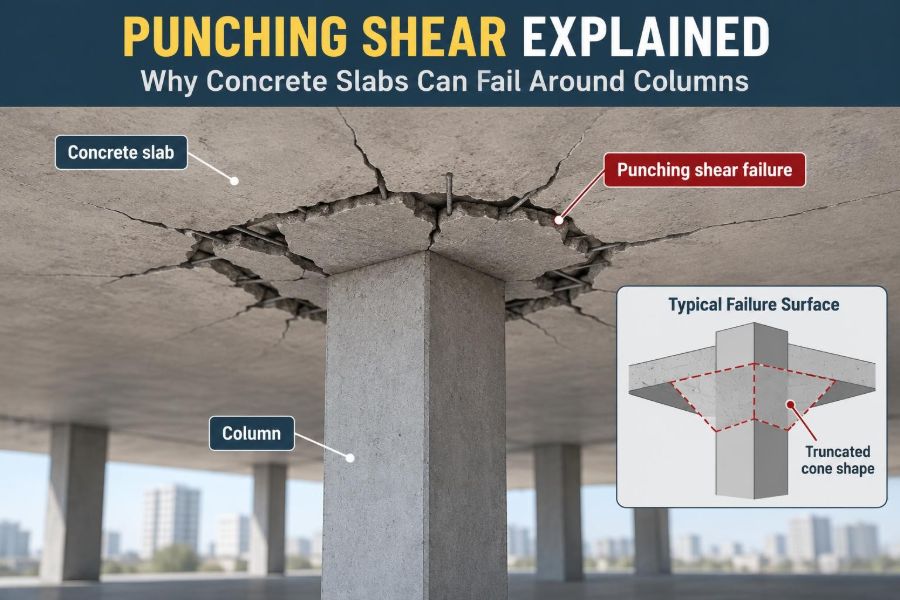
πŸ—οΈ Punching Shear Explained: Why Concrete Slabs Can Fail Around Columns
Posted inFeatured

πŸ—οΈ Punching Shear Explained: Why Concrete Slabs Can Fail Around Columns

Posted by admin November 22, 2026
A slab can bend safely yet still fail around a column. Learn the load path, warning factors, and design details behind punching shear. πŸ§±πŸ“βš οΈ
Read More
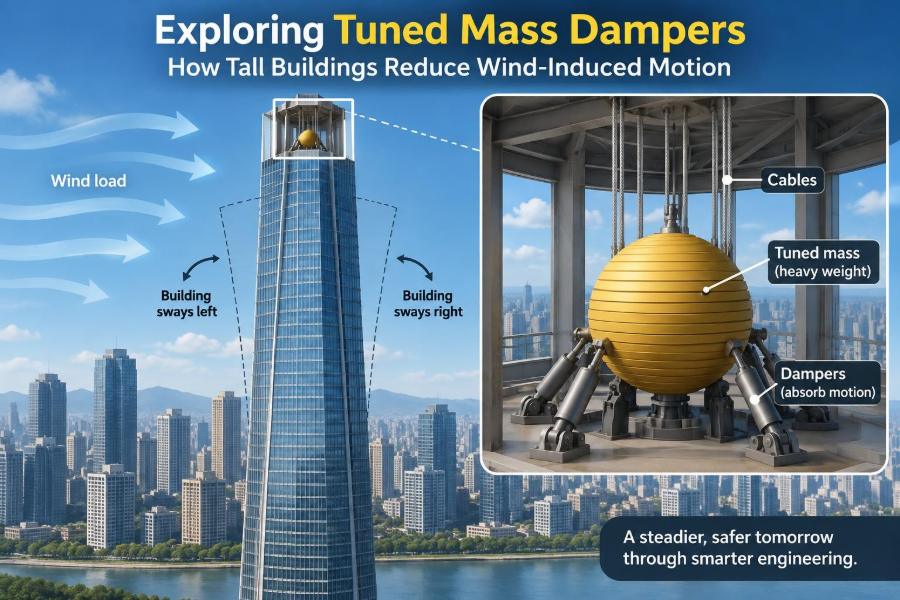
πŸ—οΈ Exploring Tuned Mass Dampers: How Tall Buildings Reduce Wind-Induced Motion
Posted inFeatured

πŸ—οΈ Exploring Tuned Mass Dampers: How Tall Buildings Reduce Wind-Induced Motion

Posted by admin November 20, 2026
Discover how tuned mass dampers use controlled counter-motion to reduce sway in tall buildingsβ€”and why tuning, damping, and maintenance all matter. πŸŒ¬οΈβš™οΈπŸ™οΈ
Read More
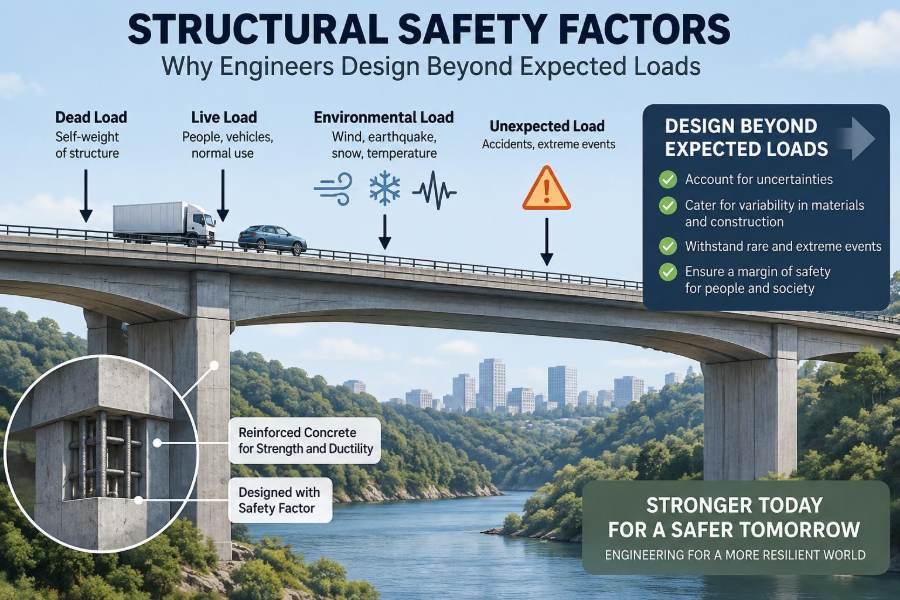
πŸ—οΈ What Lies Behind Structural Safety Factors and Why Engineers Design Beyond Expected Loads
Posted inFeatured

πŸ—οΈ What Lies Behind Structural Safety Factors and Why Engineers Design Beyond Expected Loads

Posted by admin November 20, 2026
A safety factor is more than β€œextra strength.” See how uncertain loads, material variation, connections, and real construction shape reliable structural design. πŸ§±πŸ“πŸ”
Read More
πŸ—οΈ Who Checks Whether a Building Design Can Safely Handle Wind, Earthquakes, and Loads?
Posted inFeatured

πŸ—οΈ Who Checks Whether a Building Design Can Safely Handle Wind, Earthquakes, and Loads?

Posted by admin November 19, 2026
Wind, earthquakes, foundations, load paths, inspections, and site changes all matter. See how structural engineers and project teams verify safety from drawings to construction. πŸŒ¬οΈπŸŒŽπŸ”
Read More
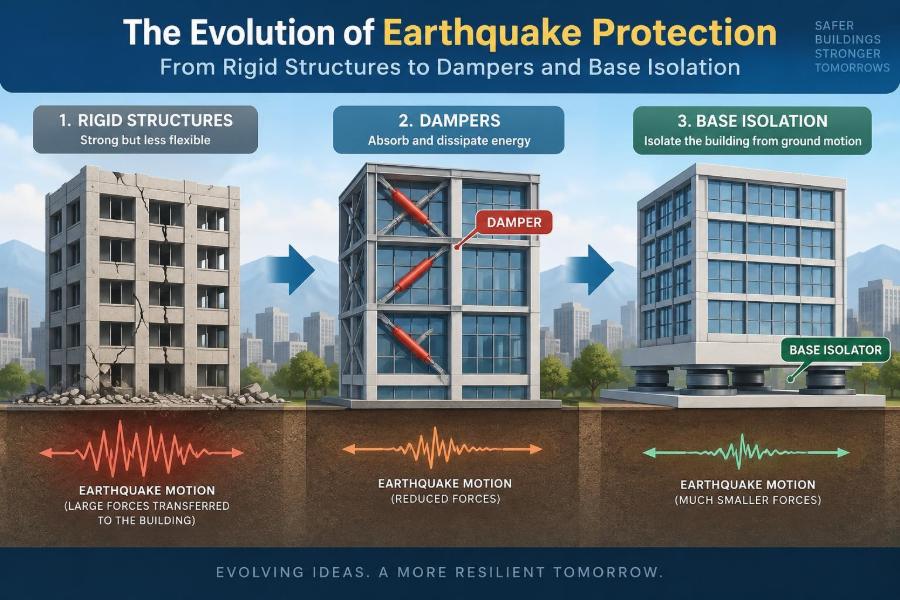
πŸ—οΈ The Evolution of Earthquake Protection: From Rigid Structures to Dampers and Base Isolation
Posted inFeatured

πŸ—οΈ The Evolution of Earthquake Protection: From Rigid Structures to Dampers and Base Isolation

Posted by admin November 19, 2026
From ductile frames to dampers and base isolation, see how engineers manage seismic energy, protect critical systems, and plan for recovery after shaking. πŸ›‘οΈπŸ”§πŸ₯
Read More
πŸ—οΈ Why Is Structural Redundancy So Important in Buildings and Bridges?
Posted inFeatured

πŸ—οΈ Why Is Structural Redundancy So Important in Buildings and Bridges?

Posted by admin November 16, 2026
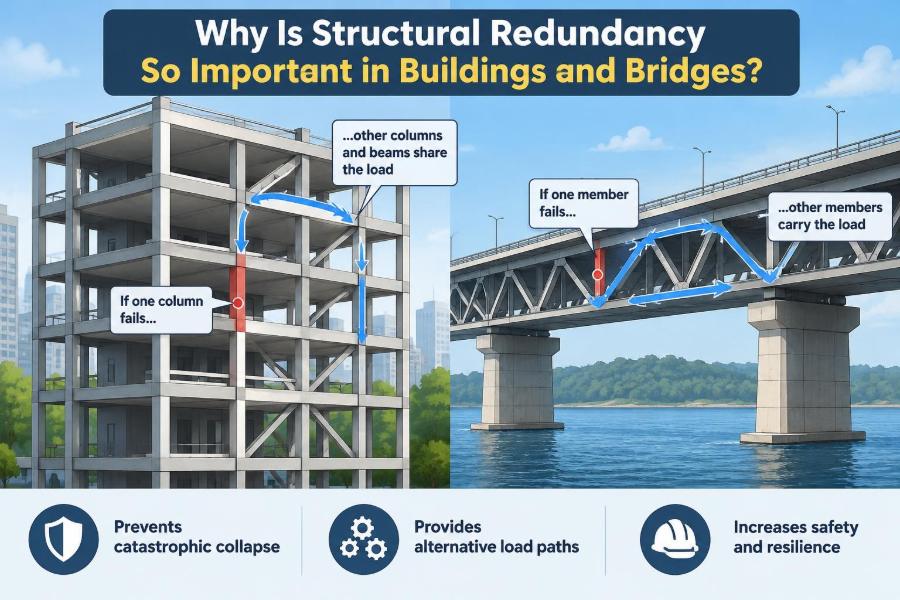
A strong beam is not always a resilient system. Learn how alternate load paths, ductile details, diaphragms, and connections protect buildings and bridges. πŸ”—πŸ›‘οΈπŸŒ‰
Read More
πŸ—οΈ How Long Can a Building Structure Last with Proper Inspection and Maintenance?
Posted inFeatured

πŸ—οΈ How Long Can a Building Structure Last with Proper Inspection and Maintenance?

Posted by admin November 15, 2026
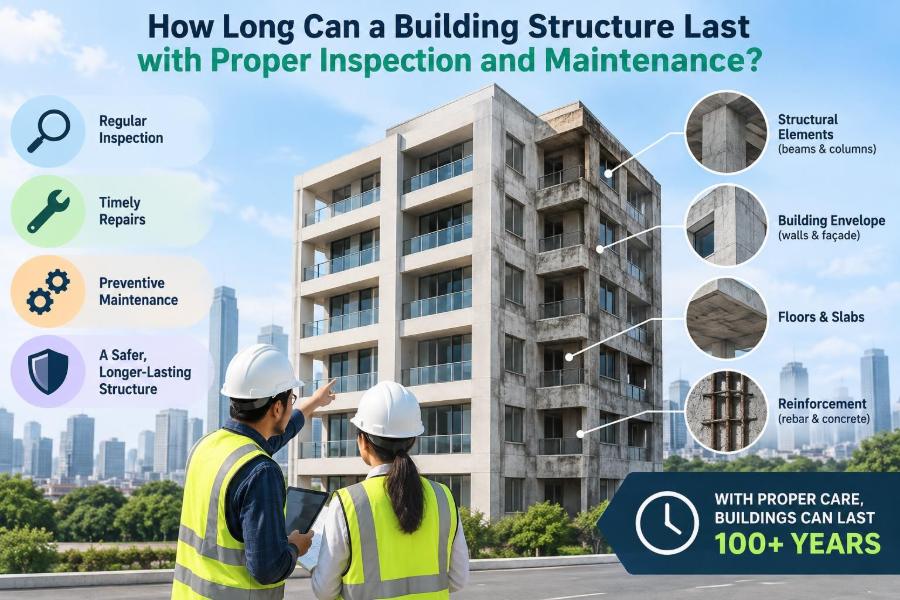
A building’s age tells only part of the story. Learn how water, corrosion, inspections, and timely repairs shape structural service lifeβ€”and which warning signs need action. πŸ”πŸ§±πŸŒ§οΈ
Read More
πŸ—οΈ Dealing With Corrosion in Reinforced Concrete: How Engineers Protect Aging Structures
Posted inFeatured

πŸ—οΈ Dealing With Corrosion in Reinforced Concrete: How Engineers Protect Aging Structures

Posted by admin November 15, 2026
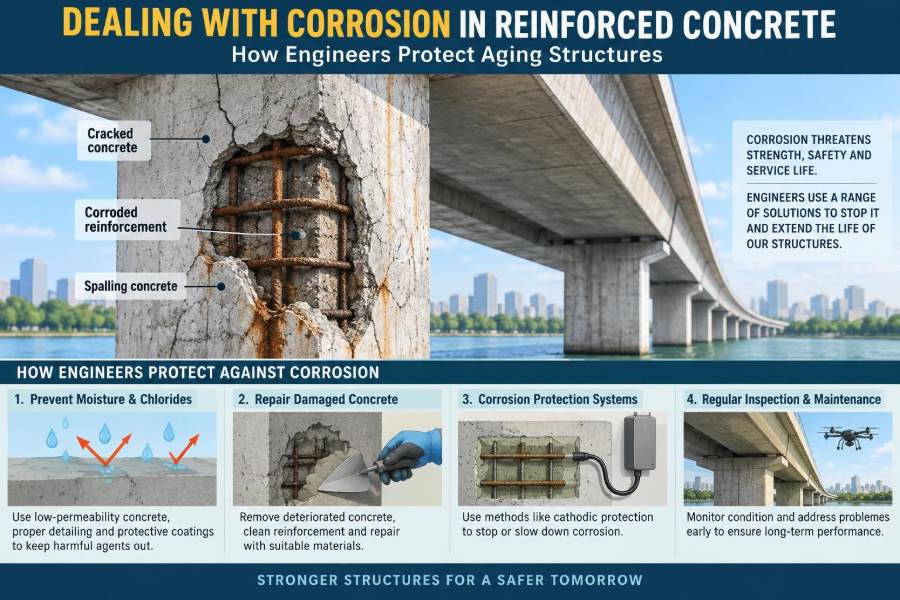
Rust stains and spalls are clues, not the full diagnosis. Learn how water, chlorides, carbonation, testing, and repair choices shape the life of reinforced concrete. πŸ”πŸ§±πŸ›‘οΈ
Read More
πŸ—οΈ How to Measure Concrete Deflection, Crack Width, and Structural Movement
Posted inFeatured

πŸ—οΈ How to Measure Concrete Deflection, Crack Width, and Structural Movement

Posted by admin November 14, 2026
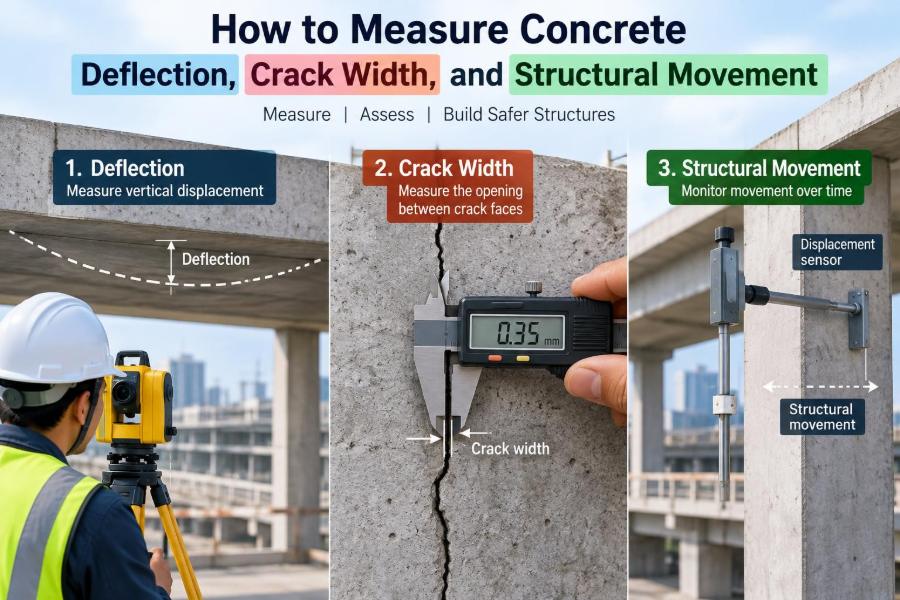
Learn how to measure deflection, crack width, settlement, and joint movement with reliable referencesβ€”not guesswork. Build a monitoring record that tells a real story. πŸ”ŽπŸ“ŠπŸ’
Read More
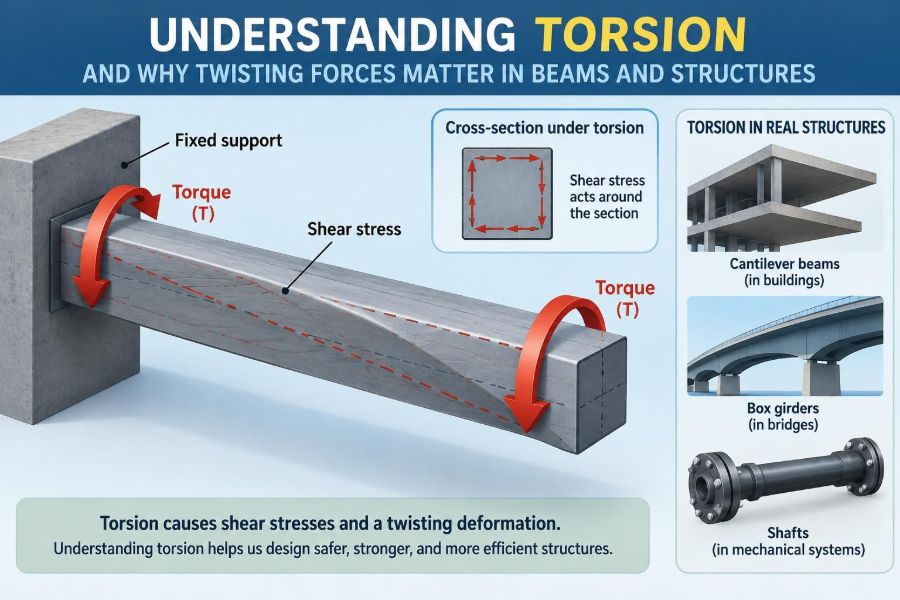
πŸ—οΈ Understanding Torsion and Why Twisting Forces Matter in Beams and Structures
Posted inFeatured

πŸ—οΈ Understanding Torsion and Why Twisting Forces Matter in Beams and Structures

Posted by admin November 12, 2026
A load can push downward yet still rotate a beam. Learn where torsion comes from, why section shape matters, and how engineers trace the full load path. πŸ”„πŸ“πŸ—οΈ
Read More

Posts pagination

Previous page 1 2 3 4 … 13 Next page

Recent Posts

  • πŸ—οΈ Why Engineers Design Buildings with Shear Walls Around Elevators and Staircases
  • πŸ—οΈ The Science Behind Composite Beams: How Steel and Concrete Work Together to Carry Structural Loads
  • πŸ—οΈ Why Concrete Needs Proper Curing and How Early Moisture Loss Affects Structural Strength
  • πŸ—οΈ Why Cable-Stayed Bridges Use Tensioned Cables Instead of Conventional Supporting Beams
  • πŸ—οΈ What Happens to Steel and Concrete Structures During an Intense Fire?

Recent Comments

No comments to show.

Archives

  • November 2026
  • October 2026
  • September 2026
  • August 2026
  • March 2025
  • February 2025
  • November 2021
  • October 2021
  • July 2021

Categories

  • Advanced Concepts
  • Advanced Design of Stee Structures
  • Bridge Construction
  • Computational Structural Mechanics
  • Design of Tall Structures
  • Earthquake Resistant Structures
  • Featured
  • Finite Element Method of Analysis
  • General Concepts
  • Reliability Analysis of Structures
  • Repair and Rehabilitation of Structures
  • Special Concrete
  • Structural Stability
  • Uncategorized
Copyright 2026 — Structural Engineering. All rights reserved. Bloghash WordPress Theme
Scroll to Top